
How Traffic Warrants Work in Grant County
Traffic cases in Grant County are heard in County Court. A citation or filing sets a duty to respond, pay, waive, or appear. Miss that date, or skip another duty, and the court may enter a failure to appear and issue a warrant in that case. Nebraska §60-4,100 also lays out a court notice and DMV suspension process for qualifying traffic noncompliance, though a license consequence alone does not mean a warrant exists. The state payment lookup adds a warning worth heeding: an issued warrant stays active until the court recalls it. That is why the court case, not a driving record, is the place to start. Use the citation or case number whenever you have one.
- Search Nebraska JUSTICE with Grant County, County Court, traffic, and the likely year.
- Read the register for the citation, due date, failure to appear, warrant, payment, or recall entry.
- Call Grant County Court at (308) 458-2433 and ask what the case requires.
- Call the sheriff only for service or custody questions.
- After payment or appearance, ask the court to confirm recall and any DMV compliance notice.
The Grant County Court profile is the local court source.
Grant County Traffic Citation Timeline
A traffic case in Grant County moves in steps. First comes the citation and its response date. Then the court enters its record. Miss a required appearance and the court may act on the failure to appear, which can mean a bench warrant. A warrant here is a court event, not something you should guess at from a suspended license. Even after a fine is paid or a new appearance date is set, the court still has to enter the recall or take its other formal action. The state traffic guidance sends drivers back to the court itself for the fine amount, payment method, waiver or appearance option, mailing address, and receipt. Grant County, for its part, publishes no local online traffic-warrant list, no payment vendor, and no local fee table.
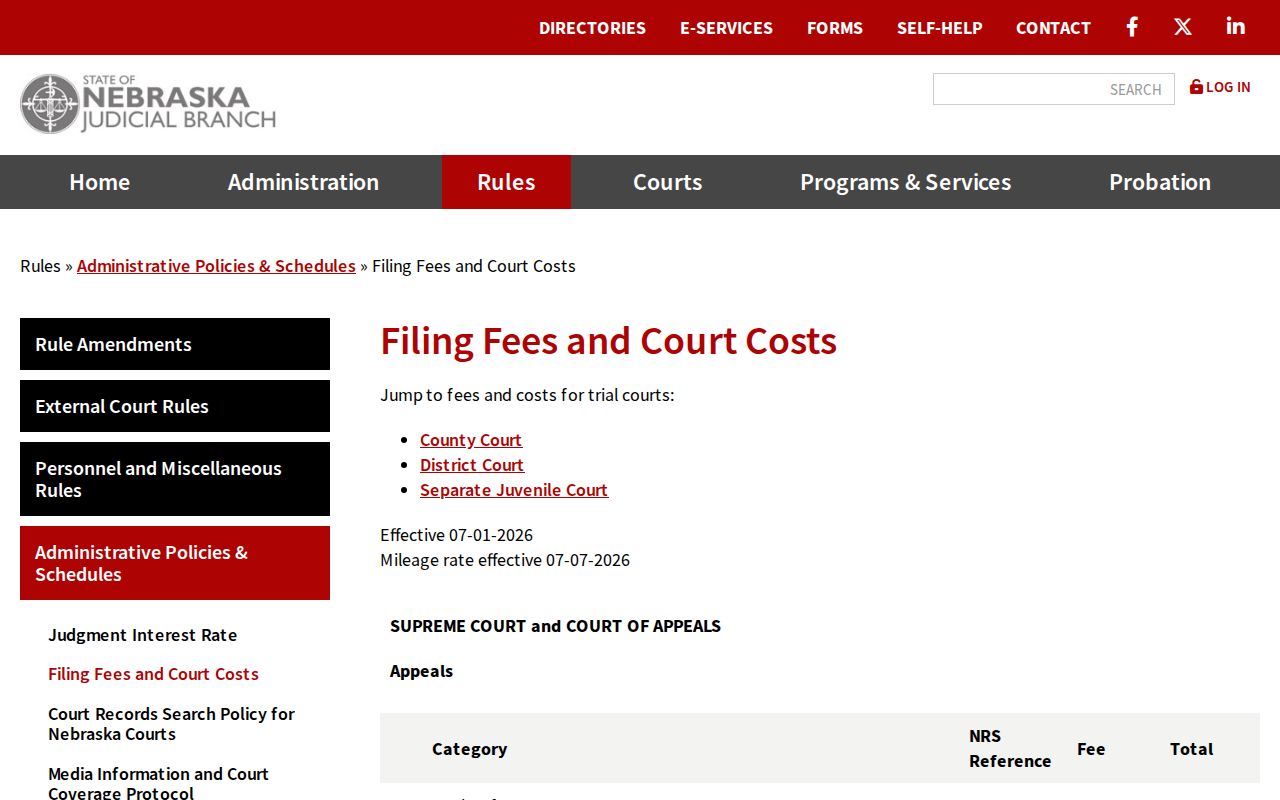
The statewide court-cost schedule maps out court fees, not a Grant County warrant timetable for traffic cases.
Grant County Traffic Warrant Checks
Two routes work for a Grant County warrant check: the statewide case search and the court's own clerk route. Nebraska JUSTICE runs about a 24-hour entry lag, so it is not a live warrant flag. It can show a case summary and register of actions. It may not show current service status or a warrant held in a sheriff file.
| Channel | What it can show | Limit |
|---|---|---|
| JUSTICE | Traffic case, party, offense, dates, register | Not a live local warrant list; 24-hour lag. |
| Grant County Court | Current docket, recall, payment, hearing route | Clerk cannot replace the judge's order. |
| Sheriff | Service or custody status | No public traffic-warrant portal was located. |
| DMV | Compliance and reinstatement process | Does not recall the court warrant. |
| Public-record request | Specific releasable case documents | Exceptions and copy costs can apply. |
Grant County Traffic Case Fields
A focused Grant County search uses the fields that separate a traffic case from a civil or criminal file. Keep the citation, case number, and appearance date together. If the result is unclear, ask the clerk which entry controls.
| Party name | Primary JUSTICE search key for the person on the citation. |
|---|---|
| County and court | Grant County and County Court ordinarily narrow the route. |
| Case type and year | Separates traffic from other files and helps identify the case number. |
| Citation or offense | Connects the case to the notice received. |
| Warrant event | Record the date and wording of any failure-to-appear or warrant entry. |
| Case number | State format examples can resemble CR 14 20304; no local warrant-number format was published. |
Traffic Warrants: What They Show
Grant County posts no public traffic-warrant listing, so the court file is the record that matters. It may hold the citation, case caption, hearing or due date, offense, payment, compliance, failure-to-appear, warrant, recall, and DMV-related entries. The public case system shows only some of those items. The clerk's date-stamped answer controls current status. Do not read a license hold as a warrant. Do not read a paid balance as a recall. Ask the court directly whether the warrant was recalled, whether another appearance is needed, and whether the compliance notice DMV requires was sent.
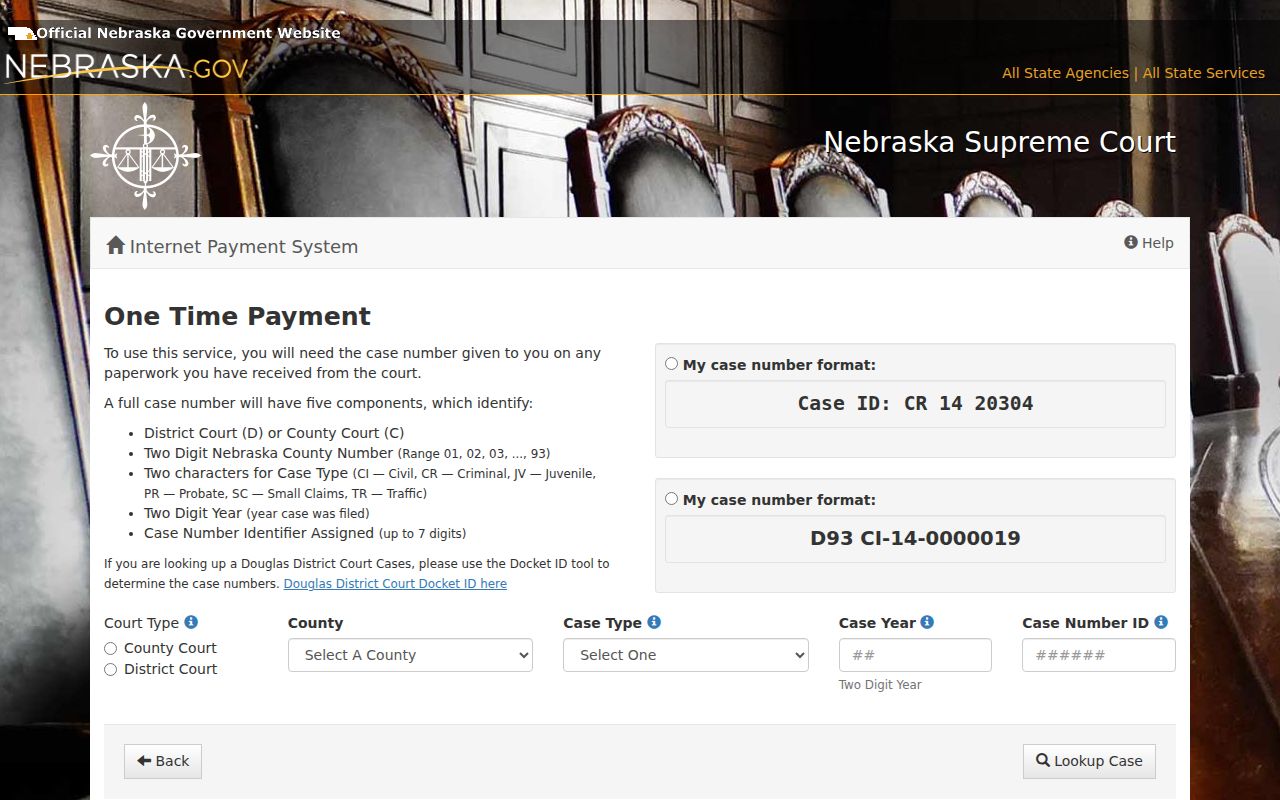
The payment and case fields live in the Grant County court record, not in any separate traffic-history product.
Grant County Traffic License Hold Distinction
Nebraska DMV guidance tells a person who failed to comply with a ticket to contact the court for the fine, payment method, proof of compliance, and the court's notice. DMV may also require a $50 reinstatement fee in the circumstances its official page describes. Neither the fee nor the license process recalls a court warrant. The Nebraska DMV compliance page is useful after the court gives instructions. Keep the receipt. Ask the court whether the notice went out, then ask DMV about reinstatement. The traffic warrant question stays with County Court in Grant County.
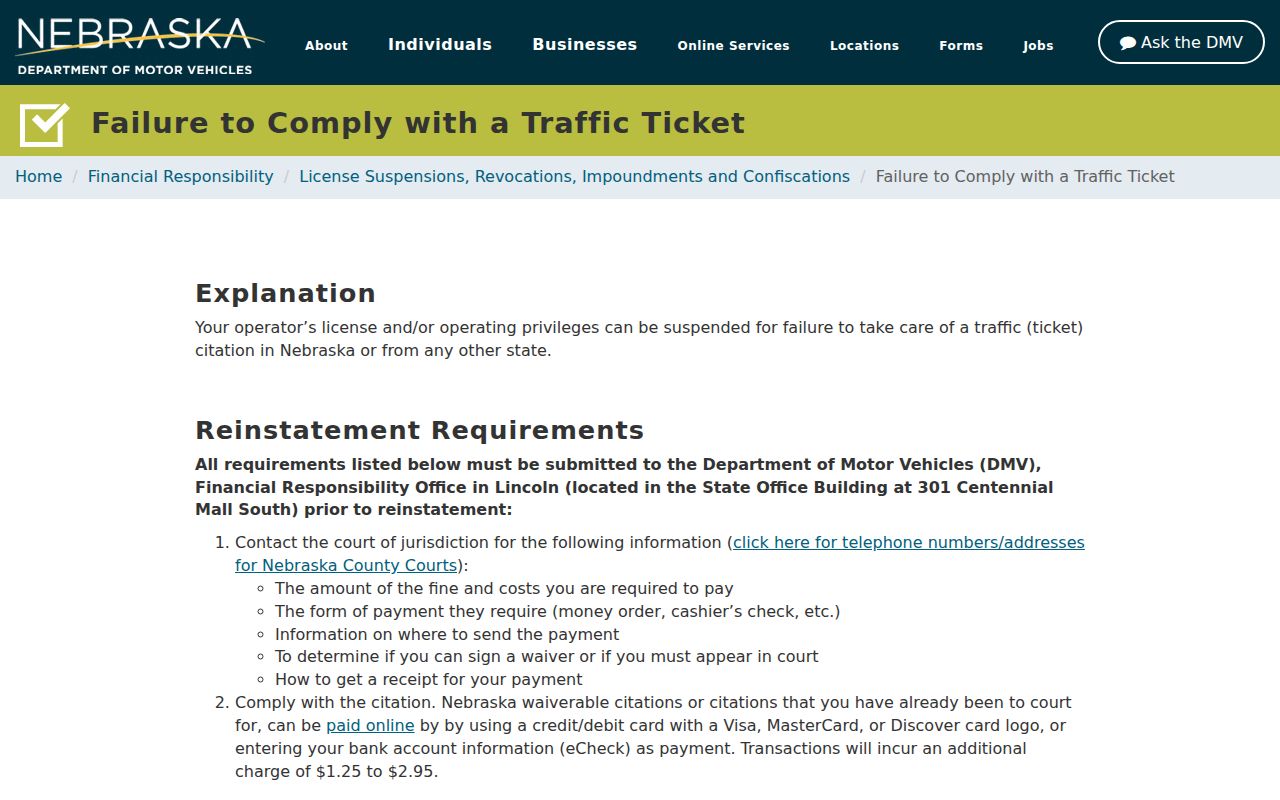
The DMV source illustrates a compliance step, not a warrant search.
Clearing a Grant County Traffic Warrant
Call Grant County Court before paying or appearing, and ask what the case needs: payment, a waiver, a new date, a judge, a bond, or another filing. The court's payment page says an issued warrant stays active until the court recalls it. Grant County posts no local jail address, cash window, after-hours schedule, payment plan form, or recall packet, so get each step from the clerk.
Keep proof: After payment, appearance, or compliance, ask the clerk for confirmation of recall and any receipt or docket entry that shows the next step.
For a fines-and-costs warrant in Grant County, ask about the ability-to-pay hearing under §29-2412. For a village ordinance citation, hand it to County Court and ask how it is docketed. The Grant County warrant check route explains how to read the register before calling.
Grant County Traffic Payment Warning
The official Nebraska payment lookup asks for court type, county, case type, a two-digit year, and a case-number ID. It helps only after the case is identified. Paying is not the same as recall. Never use a link sent in a threatening message, and never assume a web transaction updates the sheriff's file at once. Call (308) 458-2433 and ask where and how the Grant County court wants payment or proof of compliance. If the court points to a jail payment route, confirm the local address and hours with the clerk, since Grant County publishes none. The sheriff's 24-hour coverage does not mean a 24-hour payment window.
The payment interface is a case-number lookup, not a promise from Grant County that a warrant clears instantly.
How Traffic Warrants Trigger License Holds
Section 60-4,100 lets qualifying traffic noncompliance trigger a court notice and a license suspension process. The court reports compliance information. DMV then handles reinstatement. A Grant County traffic warrant, though, stays under the court's control, and while these systems connect, they are not interchangeable.
| Event | Office | What to confirm |
|---|---|---|
| Ticket or citation | County Court | Case number and response date |
| Possible warrant | Issuing court | Whether a warrant was entered and how it is recalled |
| Compliance notice | Court and DMV | Whether the court sent proof of compliance |
| Reinstatement | Nebraska DMV | Required receipt and fee, if applicable |
Grant County Traffic Access Gaps
Grant County publishes no local traffic-warrant roster, citation search portal, online plea form, or payment vendor, and it sets no posted card policy or local FTA fee. A Hyannis ordinance matter can still move through the County Court structure. Ashby and Whitman are county-served communities and precinct geographies, not separate incorporated municipal traffic courts. The Nebraska County Court overview explains county-court jurisdiction. Pair it with the Grant County Court contact, your citation, and a current clerk confirmation.
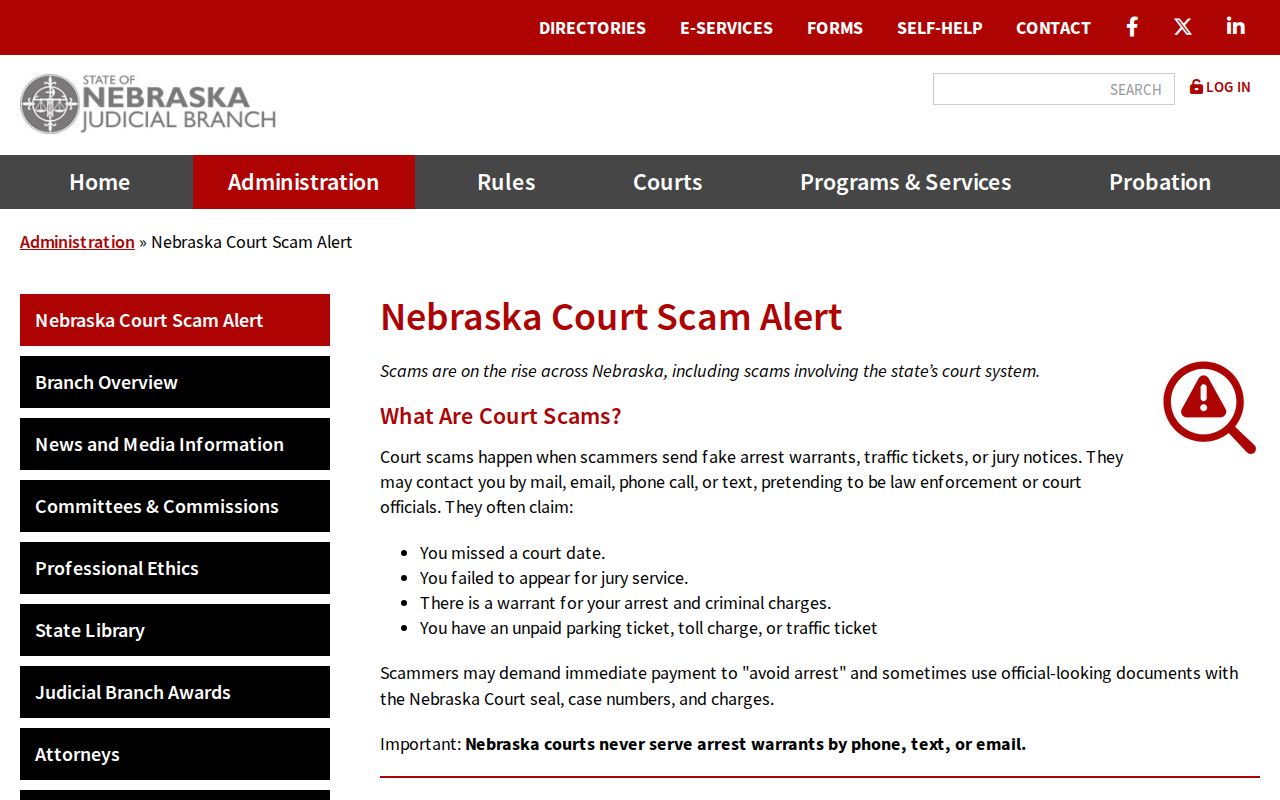
Grant County's official scam warning matters here, because traffic payment demands often lean on urgent language and unofficial links.