
How Arrest Warrants Work in Grant County
An arrest warrant in Grant County gives a peace officer legal authority to take a person into custody. It is a court process. The warrant belongs to a criminal case, anchored to a complaint, affidavit, probable-cause finding, or another charging step. County Court often holds the preliminary stage, while the District Court serves as the general-jurisdiction court for primarily felony criminal matters. After arrest under a warrant, Nebraska §29-412 controls what follows: the person goes before the proper magistrate, and the officer delivers the warrant with the return. No local bond amount is published. Ask the issuing court or counsel before acting.
- Search the person's own name in Nebraska JUSTICE using Grant County and both court levels when needed.
- Read the case register for the warrant, complaint, bond, hearing, service, return, or release entry.
- Call the County Court clerk for preliminary or county-court questions.
- Call the District Court Clerk for a felony or district docket.
- Call the sheriff only for execution, service, or custody information.
The District 12 directory confirms the local court structure and clerk routes.
Grant County Arrest-Warrant Records Versus Reports
A warrant is a court process. An arrest report is an agency record of an investigation or event. The two can grow from the same Grant County case, yet they remain separate documents with different access rules. A public case result may show the register of actions while withholding reports or affidavits. Want a targeted request? Ask for the public warrant or order, the register entry showing issuance, the bond or release order, and the officer return if releasable. Ask the clerk to separate public material from juvenile, sealed, or investigative files. That keeps the request clean.
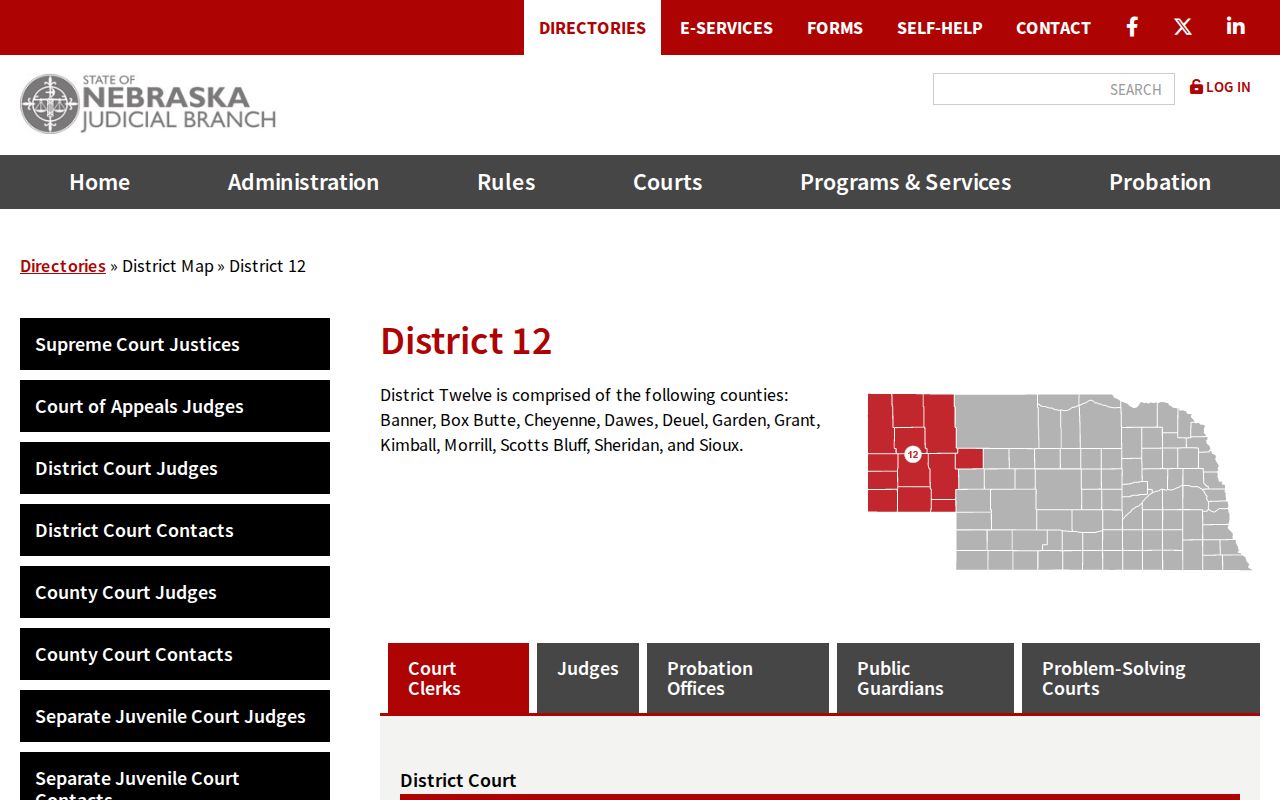
The District 12 page situates Grant County within Nebraska's broader judicial district. It is not a countywide arrest list.
Arrest Warrants: What They Contain
Grant County publishes no complete arrest-warrant listing online. So what might a file contain? The fields below draw on the JUSTICE public description and the statewide CC 6:52 Warrants and Commitments Return. They describe what may appear in a file, not what every online result displays.
| Issuing court | Grant County Court or Nebraska District Court, 12th Judicial District. |
|---|---|
| Case number | Court, county, case type, year, and identifier segments. |
| Charging basis | Complaint, affidavit, offense, and probable-cause reference when public. |
| Warrant event | Order date, judge or magistrate, and register entry. |
| Service return | Receipt, arrest, brought-before-court date, release, bond, or signature information. |
| Status | Active, recalled, quashed, served, returned, or another clerk-confirmed term. |
Grant County Probable-Cause Route
How does a Grant County warrant come to life? An officer or prosecutor presents a complaint, affidavit, or other charging basis. A judge or magistrate decides whether the standard for the process is met. The signed process then enters the case record. From there it goes to the sheriff or another peace officer for execution. Section 24-519 covers clerk-magistrate authority in specified County Court proceedings, including warrant work when statutory conditions apply. Section 29-411 addresses execution powers. Section 29-412 sets the duty after arrest. In Grant County, the court controls the order, the clerk preserves it, and the serving agency documents what happened.
How Warrants Get Served in Grant County
The Grant County Sheriff's Office provides 24-hour law-enforcement coverage to Hyannis, Whitman, Ashby, and rural Grant County. Its duties page lists service and execution of process, arrest, jail, extradition, and court attendance. That makes it the main local contact for service and custody. The office cannot recall a court order, though.
Grant County Sheriff's Office
105 E Harrison St, Hyannis, NE 69350
(308) 458-2396
No local surrender hours, safe-surrender desk, jail address, or bond schedule is published, so call the issuing court first. The Grant County sheriff contact page gives the current office route.
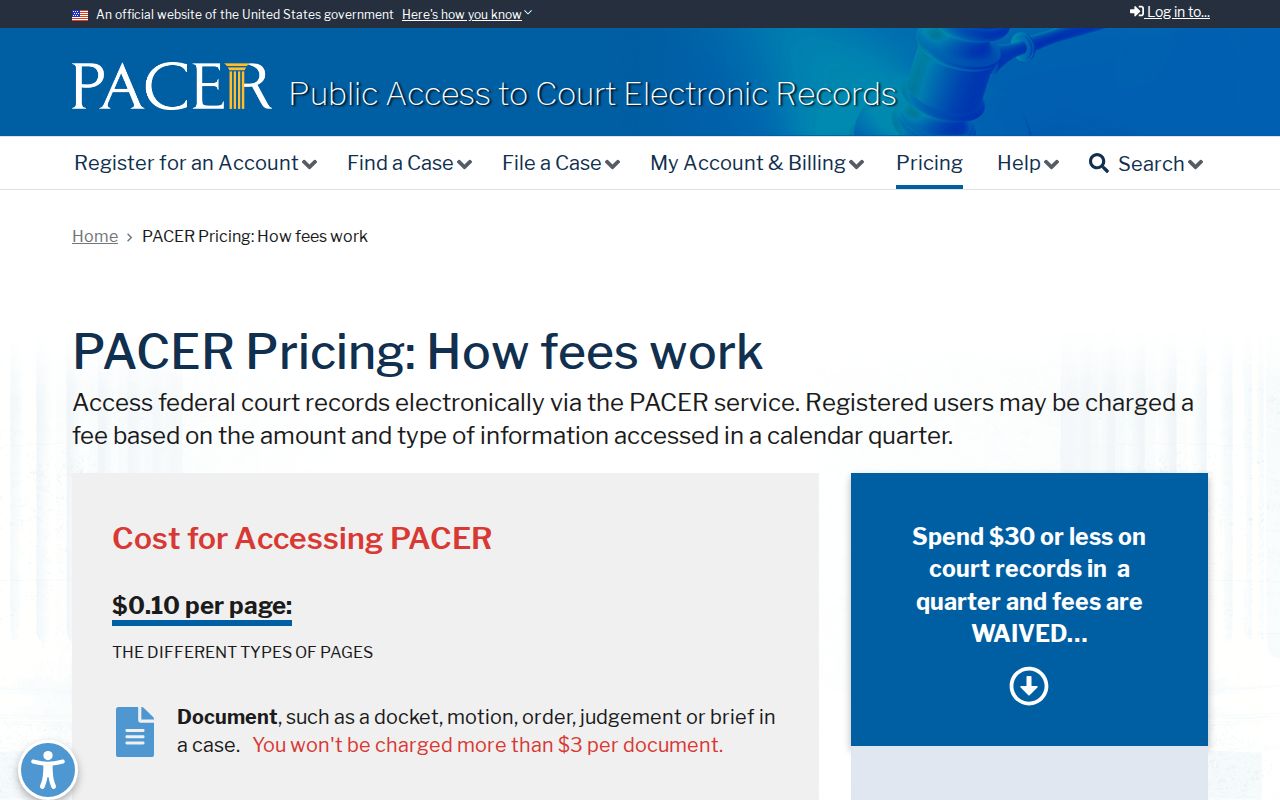
A federal docket access source stands as a separate jurisdictional route, not a Grant County arrest-warrant roster.
Grant County Arrest-Warrant Limits
Why might a public search miss a Grant County warrant? The JUSTICE system lags 24 hours. The case may sit at a different court level, or the record may be juvenile, sealed, covered by an investigative exception, federal, or from another state. A sheriff can also hold process that never reaches a public web list. So a clear result is not a status certificate. Ask the clerk to confirm today's status using the case number, and ask the sheriff whether its office holds the process for execution. Date the answer, and never publish a person's name, address, photograph, or unverified allegation.
Arrest Warrants, Summonses, and Bench Warrants
The trigger is what separates these processes. A summons asks a person to appear. An arrest warrant authorizes apprehension on criminal process. In Grant County courtrooms, a bench warrant usually answers a missed appearance or court noncompliance, and although the labels blur in common speech, the register and the order control.
| Process | Typical use | Grant County source |
|---|---|---|
| Summons or citation | Directs a person to respond or appear | County Court case and notice |
| Arrest warrant | Authorizes apprehension for a charged offense | Issuing court and officer return |
| Bench warrant | Responds to missed appearance or noncompliance | Register of actions and issuing court |
Grant County Federal Warrant Boundary
Federal warrants do not live in Grant County state-court records. The U.S. District Court for the District of Nebraska and the U.S. Marshals Service run the federal docket and service routes. PACER offers federal docket access. CourtListener can serve as a free, nonofficial lead. Sealed federal material may stay invisible, and neither source is a county roster. The official U.S. Marshals District of Nebraska page describes a federal fugitive function and tip route. Treat it as federal, not Grant County state-court status.
Handling an Arrest Warrant in Your Name
Call the issuing court first. Ask whether it requires counsel, a motion, a bond, payment, a calendar date, or another step. The Grant County District Court Clerk publishes (308) 458-2488. County Court publishes (308) 458-2433, while the sheriff lists (308) 458-2396 for service or custody questions.
Safety: Do not rely on a caller, text, email, or payment link claiming to clear an arrest warrant. Verify every instruction through the official court or sheriff contact.
Nebraska §29-412 sets the proper-magistrate step that follows an arrest. A third-party lookup settles nothing there. Only the court confirms recall or any other final action, and the Grant County warrant overview walks through the broader resolution route.
Grant County Arrest-Warrant Verification
Write down what you learn. Note the court, the case number, the filing year, the latest register entry, and the dates the clerk and the sheriff each answered you. Ask for the status in the court's own words. Juvenile, sealed, domestic, and federal files sit elsewhere. Ask which office has authority before you go further. Grant County's public-records page offers no warrant form, so a narrow request under Nebraska's Public Records Act is the practical route, seeking the docket, the order, or the return, whatever is releasable. The clerk may charge copying costs. Statutory exceptions also let the clerk withhold some material, which is why the request should stay tied to one specific adult record.